
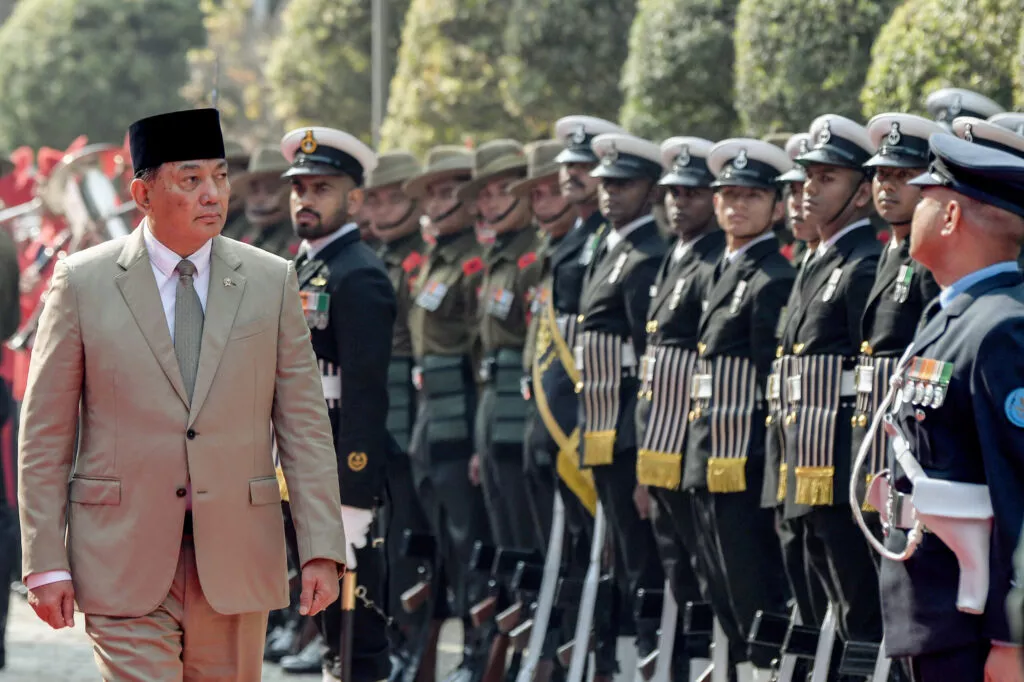
Photo: Eastasiaforum.org.
In October 2024, Sjafrie Sjamsoeddin assumed office as Indonesia’s defense minister, bringing with him a dual reputation as a technocratic reformer and a controversial former commander long shadowed by a murky human rights record.
A prominent figure in the Ministry of Defense since the mid-2000s, Sjafrie played a key role in shaping its early reforms under the Minimum Essential Force initiative and in establishing the Defense Industry Policy Committee to revitalize Indonesia’s stagnant defense industries. He also enhanced budget transparency, secured the ministry’s first clean audit opinions, and facilitated the implementation of the 2012 Defense Industry Law, which institutionalized mandatory technology transfers and local content requirements for all foreign weapon acquisitions.
As President Prabowo Subianto’s long-time confidant, Sjafrie was expected to wield the political influence needed to drive meaningful change. Yet more than one year into his tenure, a different picture has emerged. Rather than acting primarily as a strategic reformer of Indonesia’s defense sector, Sjafrie has increasingly operated as Prabowo’s political enforcer, executing national development priorities that extend well beyond the traditional sphere of defense policy.
One prominent example is the leading role the defense ministry has assumed in the government’s crackdown on illegal mining and unauthorized use of forest areas. Public discourse surrounding Sjafrie throughout 2025 has also reflected this changing focus from external security challenges to safeguarding natural resources from domestic or foreign threats.
The defense establishment has become central to the government’s food security agenda through the creation of the army’s territorial development battalions, with plans to form 750 new battalions over the next four years. While initially framed as units providing agricultural training and support, their scale and deployment suggest broader aims to generate rural employment, expand territorial military presence, and divert attention and resources away from long-discussed force restructuring and modernization.
The military also plays a prominent role in implementing Prabowo’s flagship free meals program for students, both in the early establishment of hundreds of industrial kitchens and in the recruitment and training of more than 30,000 staff at the Indonesian Defense University for the Nutrition Provision Service Units that operate these facilities. The defense ministry has become an instrument for delivering social policy.
Meanwhile, the defense sector continues to reflect a pattern established during Prabowo’s own tenure as defense minister from 2019 to 2024 — an expanded defense posture with rapid procurement yet limited strategic context, systems integration, or sustainment.
Sjafrie expanded the army through the establishment of six new territorial defense commands (Kodam), helping realize Prabowo’s long-standing idea of aligning one Kodam with each province. The Ministry of Defense also broadened the scope of the reserve component (Komcad) by engaging the private sector to support employee training.
On the procurement front, Indonesia signed a contract with Turkey to purchase 48 KAAN fighter jets, as well as deals to procure combat drones and frigates. The government has also greenlighted foreign loans for Italy’s decommissioned aircraft carrier Giuseppe Garibaldi. Indonesia has also announced plans to acquire China’s J-10 fighter aircraft. Yet Indonesia has formally slashed its financial contribution to South Korea’s KF-21 joint fighter development program by more than two-thirds, from the initial 1.6 trillion won (US$1.17 billion) to just 600 billion won (US$440 million).
These initiatives follow a period of defense spending concentrated on high-profile procurement, including Rafale fighter jets and large naval platforms, including FREMM, Merah Putih, and PPA frigates. This suggests defense procurement is likely to remain business as usual and perpetuate long-standing challenges such as underfunded maintenance, stretched budgets, and limited absorption capacity within the domestic defense industry.
The current leadership — facilitated by more centralized defense procurement under the ministry — could have pursued a different path in building a defense posture more attuned to the realities of modern warfare. The war in Ukraine and India–Pakistan airstrikes in 2019 and 2025 have demonstrated the growing vulnerability of conventional military platforms to drones, electronic warfare, and networked surveillance. Yet as many militaries shift resources towards unmanned systems, network-centric and electronic warfare capabilities, Indonesia’s procurement approach remains focused on high-visibility conventional assets.
Taken together, these initiatives suggest that Sjafrie will not be a reformer. Rather, his position appears deeply intertwined with Prabowo’s domestic political agenda as he prioritizes the execution of development programs that rely on military discipline, territorial infrastructure, and bureaucratic reach. This expanded political portfolio leaves limited room for technocratic reform to address structural problems within Indonesia’s defense establishment, ranging from force fragmentation, bloated personnel structures, and weak sustainment systems.
For those who once hoped Sjafrie would steer Indonesia towards a more coherent, modern, and sustainable defense architecture, the reality is sobering. Indonesia’s defense sector is likely to remain characterized by unchanged procurement patterns poorly aligned with evolving warfare realities, elusive structural reform as resources are diverted to non-defense priorities, and armed forces increasingly serving the political needs of the presidency rather than the strategic demands of the state.
Without a strategic adjustment, the likely outcome is an inflated domestic military footprint that prioritizes internal political functions over external defense — ultimately hollowing out deterrence capability.*
Rahmad Budi Harto Lead Consultant at Kiroyan Partners. The views expressed are personal.
Source: EastAsiaForum.org, February 16, 2026.
Download the clipping here.


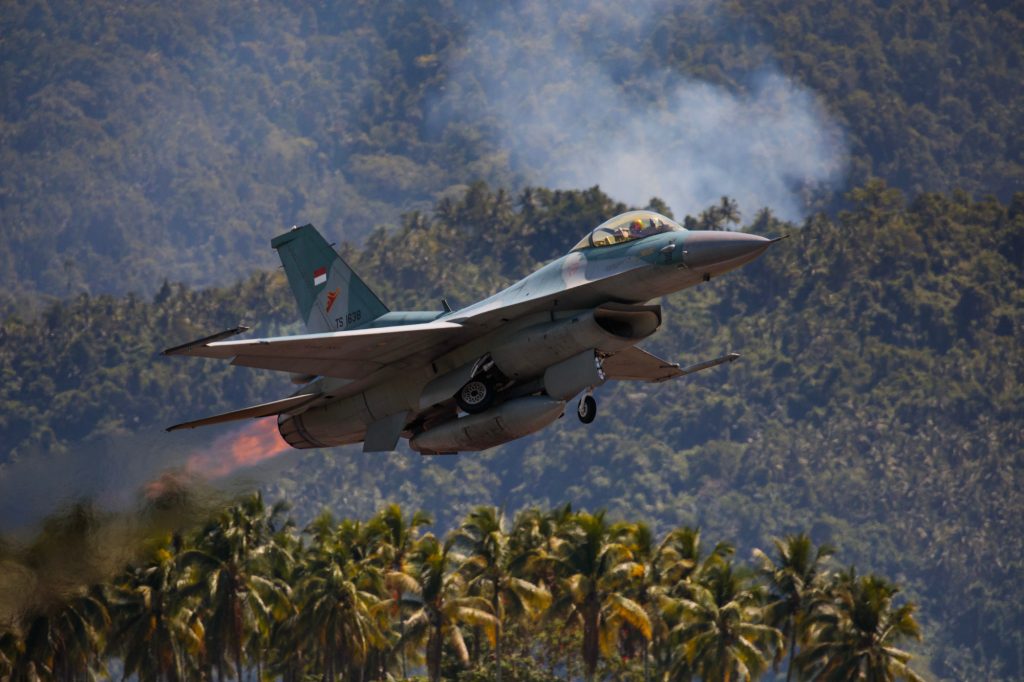
Sjafrie Sjamsoeddin’s appointment as Indonesia’s Defense Minister in October 2024 raised hopes for long-overdue military reform and modernization. Yet, more than a year into his tenure, those hopes appear misplaced. Rather than focusing defense policy on the nation’s strategic needs, the military has increasingly been used as a political tool to advance President Prabowo’s broader development agenda. At the same time, continued investment in high-profile conventional platforms has reinforced a worrying procurement trend, leaving Indonesia ill-equipped for the realities of modern warfare.